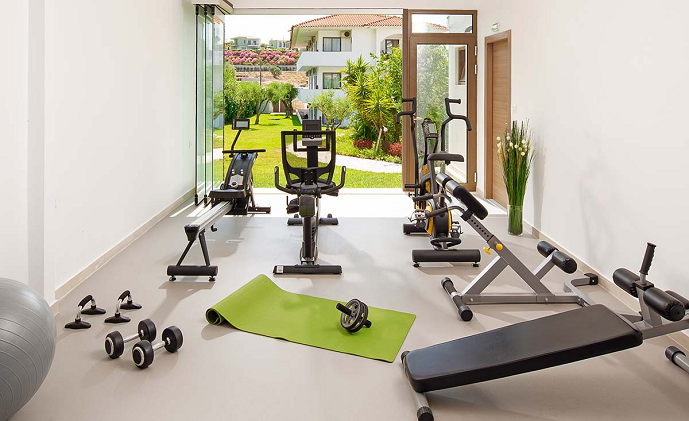
Creating a home gym involves serious planning. The layout, environment, and personal connection decide the frequency at which workouts happen. A motivated setup removes the friction, builds consistency, and turns exercise into a natural part of one’s daily life. Appropriate choices turn even the compact spaces into powerful fitness zones, inspiring actions. Everything starts with intentional planning, intelligent decisions, and a strategic home gym design layout.
Identifying Your Primary Fitness Objectives
Strategic fitness objectives provide guidance to all design decisions, equipment acquisition, and layout decisions. In the absence of clarity, motivation is lost in a short time, and space will become a mess.
- Strength And Power
This objective is concerned with muscle development, lifting, and progressive overload. The equipment decisions favor free weights, racks, and stable flooring.
- Weight Loss Focus
Balanced programs that combine cardio and strength are beneficial for fat-loss goals. A gym design consultant may assist in optimizing the spacing for circuit training.
- Mobility And Recovery
Flexible-oriented objectives focus on open areas, mats, and recovery equipment. Freedom of movement helps with stretching and joint mobility.
- Lifestyle Balance
Scheduling for busy days should include flexible time slots that accommodate brief exercises. The advice of a Gym design consultant helps integrate fitness into everyday life.
Choosing the Right Space for Your Home Gym
The appropriate place is a strong force in motivation on a day-to-day basis. A properly selected space eliminates distractions, promotes movement, and enables consistency. It is as important as size that comfort and accessibility are.
- Available Room Choice
Each spare room, garage, and basement has its own advantages. The choice will be based on privacy, airflow, lighting, and ease of daily access.
- Lighting And Airflow
Light rooms enhance activity and concentration. Adequate ventilation and efficient design layout of the gym facilitate extended and more comfortable exercises.
- Noise And Privacy
Minimized interruptions and self-consciousness. Privacy promotes confidence in the training sessions and enhances long-term consistency.
- Future Expansion
Upgrades are not constrained by spaces that permit upgrades. Such a planning layout will involve designing a gym that is highly flexible and durable.
Top Tips to Create a Home Gym
The design choices of the way of life turn the ordinary exercise area into an inspirational area. The principles of these guidelines focus on comfort, psychology, and usability in daily life rather than on expensive equipment and fashion.
Design For Visibility
An accessible gym is one that is used every day. Machines that are housed in corners tend to be overlooked. The open layouts, with tools well-positioned, serve as visual cues to move. Mirrors are used to sustain a form and enhance motivation, as well as to make the space appear bigger. Unobstructed views minimise the hesitation and decrease the psychological barrier to workouts, particularly on low-energy days.
Prioritize Comfortable Flooring
Poor flooring does not encourage regular training. During exercises, joint-friendly surfaces safeguard knees, wrists, and back. Rubber mats are used to minimize noise, protect equipment, and enhance stability. Natural footing develops trust in the movements. Flooring influences mood and safety as well, hence it is not an afterthought of long-term gym success.
Control Lighting Mood
Energy is directly influenced by lighting. White light is effective when training for strength sessions, whereas more light-hearted colors can be used when doing yoga or stretching. The adjustable lighting offers flexibility across workout styles. Natural light enhances the mood and makes exercises less imposing. A well-lit gym is friendly and eliminates reasons for exhaustion or pain.
Organize For Simplicity
Mental resistance is enhanced by clutter. Wall racks, marked storage, and special areas are time-saving and frustrating. Easy structuring would make exercises begin quicker and finish tidier. Resting the space at the end of the session instills discipline and pride. A well-organized gym is purposeful, professional, and more likely to be visited on a daily basis.
Personalize The Space
Personal touches enhance emotional connection. There is a sense of ownership that is created by music systems, favorite colors, inspirational visuals, and progress boards. Individualization makes exercises more of a habit than a process. The environment that one is used to enhances concentration and fun. A gym that portrays personality is a place one will always desire to visit.
Cost Breakdown and Budget Planning
Planned budgeting will eliminate unnecessary expenditure and regrets. Expense planning will lead to better decisions and greater satisfaction in the long run. The prices differ according to objectives, area, and desired equipment.
- Starter Budget Setup
Simple tooling, such as mats, dumbbells, and bands, takes care of the beginners, and the investment is minimal, with high flexibility.
- Mid-Range Investment
Benches, racks, and adjustable weights are varied. Spending is balanced, without excessive indulgence in luxuries.
- Premium Home Gym
Premium equipment, intelligent technology, and tailor-made finishes provide comfort and ease for serious long-term training.
Conclusion
An inspiring home gym is built through careful design and deliberate decisions, and not costly equipment. Workouts will be natural and sustainable when the space aligns with daily practices and personal preferences. Even little design choices have a long-term effect. When the surroundings encourage work, it becomes easier to move on. Creating a welcoming gym environment will help people stay consistent, and fitness will become part of their daily routine instead of a dream.