In the modern digital landscape, the physical protection of data is just as critical as the firewalls and encryption protocols that guard the bits and bytes within the server racks. As the central nervous system of global commerce and communication, the modern data center requires a multi-layered security strategy that begins at the perimeter and extends to every individual cabinet. Closed-circuit television (CCTV) has evolved from a simple recording tool into a sophisticated, proactive pillar of this security framework, offering both a psychological deterrent and a functional alert system. By integrating high-definition visual monitoring with advanced physical barriers and professional network cabling inc. near downtown san diego to ensure the infrastructure remains robust and connected, facility managers can create a seamless environment where every movement is accounted for. This comprehensive approach ensures that even the most determined intruders face a formidable challenge before they ever reach the sensitive equipment housed inside.
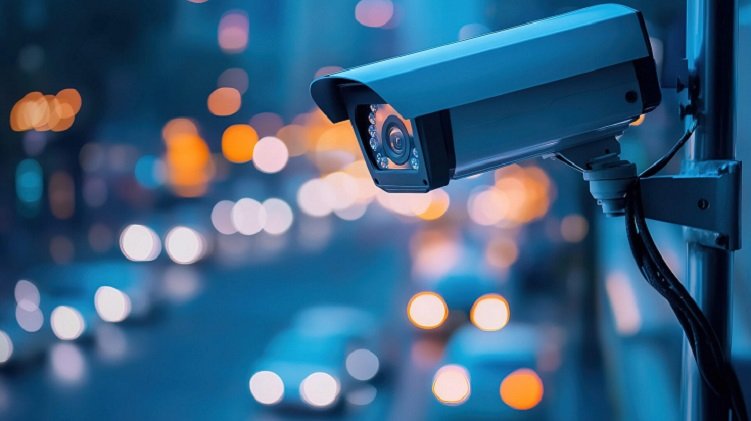
The role of video surveillance in a high-stakes environment goes far beyond just “watching the door,” as it serves as an essential component of incident management and operational transparency. When a facility is tasked with housing the intellectual property and private data of thousands of clients, the margin for error is nonexistent. CCTV systems provide a continuous, unblinking eye that records every interaction, providing a source of truth that is invaluable during audits or security breaches. These systems allow security teams to monitor remote areas of a vast facility in real-time, effectively multiplying their presence without the need for an impossible number of physical guards on the floor.
As technology advances, the hardware used to capture these images has become increasingly specialized to handle the unique architectural challenges of server environments. Choosing the right equipment involves more than just selecting a camera; it requires an understanding of how light, movement, and distance interact within the narrow aisles and high ceilings of a data hall. By consulting with experts and utilizing platforms such as https://www.adrny.com to identify the most effective surveillance configurations for complex urban environments, facility operators can ensure their visual coverage is both thorough and reliable. The following guide explores the nuances of camera selection, strategic placement, and the vital role surveillance plays in meeting the strict compliance standards of the industry.
The Silent Sentinels: Understanding Dome and PTZ Cameras
The effectiveness of a surveillance system is largely dictated by the specific hardware chosen to monitor different zones within the facility. While there are countless camera models on the market, data center security typically centers around two primary types of cameras: the dome camera and the PTZ (Pan-Tilt-Zoom) camera.
Dome Cameras: The Art of Subtle Surveillance
Dome cameras are easily recognized by their circular, protective housing, which offers several distinct advantages in an indoor setting. One of the most effective features of the dome design is that it obscures the direction in which the lens is pointing, creating a sense of unpredictability that can unnerve potential intruders. This design makes it difficult for someone to find a “blind spot” simply by looking at the camera’s exterior. Beyond the psychological benefit, the housing acts as a physical shield, protecting the delicate internal optics from dust, accidental bumps during equipment moves, or deliberate tampering. These cameras are ideal for monitoring fixed entry points and the long, narrow corridors of server rooms where a wide-angle view and a discreet profile are prioritized.
PTZ Cameras: Precision and Power in Motion
In contrast to the fixed nature of most dome cameras, PTZ (Pan-Tilt-Zoom) cameras provide a dynamic and highly versatile solution for larger areas. These units have the ability to rotate horizontally, tilt vertically, and zoom in on specific details with incredible clarity. This functionality is particularly useful in expansive loading docks or perimeter fences where a single camera needs to cover a vast amount of ground. PTZ cameras can be set to “auto-tour,” where they cycle through a series of pre-programmed vantage points, or they can be manually overridden by a security professional who needs to track a specific person or vehicle. The powerful zoom capabilities allow investigators to capture high-definition details, such as license plates or identification badges, from a significant distance.
Strategic Sightlines: Where Positioning Meets Protection
Having the most advanced cameras in the world is of little use if they are not positioned with a clear understanding of the facility’s unique layout and vulnerabilities. Strategic placement is a science that balances the need for total coverage with the practicalities of lighting, height, and hardware maintenance.
The primary objective of any camera layout is the elimination of blind spots, ensuring that a person’s movement can be tracked seamlessly from the moment they enter the property until they leave.
Coverage, Angles, and the Invisible Gaps
Security planners must prioritize high-traffic areas and sensitive zones, such as the main lobby, man-traps, and the individual cages where servers are housed. Each camera’s angle must be carefully calculated; if a camera is mounted too high, it may only capture the tops of heads, whereas a camera mounted too low might be easily obstructed or vandalized. Using a combination of wide-angle lenses for general area awareness and narrow-focus, high-resolution cameras for access control points ensures that both the “what” and the “who” are captured in every frame. This tiered approach prevents an intruder from slipping through the cracks of a poorly planned visual grid.
Lighting the Way to Better Security
Lighting is often the most overlooked factor in CCTV performance, yet it can make the difference between a clear identification and a useless, grainy image. Data centers often have inconsistent lighting, with some aisles brightly lit and others kept in relative darkness to save energy. Cameras equipped with Infrared (IR) illumination are essential for these low-light environments, as they allow the system to “see” in total darkness. Furthermore, Wide Dynamic Range (WDR) technology is necessary for cameras positioned near windows or bright entryways, as it balances the intense light from outside with the shadows inside, preventing the image from becoming washed out or too dark.
Balancing Access with Integrity
A final consideration in placement is the physical security of the cameras themselves. Surveillance equipment must be accessible enough for technicians to perform routine cleaning and software updates, yet it must be mounted on secure, heavy-duty fixtures to prevent it from being redirected or disabled. Using protective housings and tamper-resistant screws is a standard practice that ensures the “watchers” remain operational even during a coordinated attempt to bypass security measures.
The Compliance Edge: Proving Your Protection
In the world of data storage, security is not just about stopping intruders; it is about proving to regulators and clients that every possible precaution has been taken. CCTV footage serves as a vital record that supports various international and industry-specific compliance standards.
Beyond the immediate tactical benefits, video surveillance provides a chronological and verifiable history of everything that occurs within the facility’s walls.
Documentation and Forensic Evidence
Regulatory frameworks often require facilities to maintain detailed logs of who accessed certain areas and when. CCTV provides the ultimate form of documentation, offering a visual backup to digital badge logs. If a breach occurs, or even if there is a simple hardware failure, investigators can review the footage to see exactly who was near the equipment at the time of the incident. This forensic capability is essential for insurance claims and legal proceedings, as it provides objective evidence that cannot be altered or disputed.
Audit Trails and Accountability
Modern security systems often integrate video with access control software, creating a comprehensive audit trail. When a badge is swiped at a restricted door, the system can automatically bookmark the corresponding video clip, allowing auditors to quickly verify that the person using the badge is indeed the authorized user. This level of accountability is a requirement for many high-level certifications, demonstrating a commitment to transparency and rigorous oversight. By maintaining archived footage according to strict retention policies, a facility can prove its adherence to safety protocols over long periods, giving clients the peace of mind that their hardware is being watched over by a truly professional and compliant security team.