In the technical world of modern athletics, the equipment a sports person selects is often the deciding factor between a frustrating round and a personal best. For men who approach the game with a focus on biomechanics and efficiency, understanding the relationship between swing speed and core density is essential. Utilizing a professional golf ball compression chart allows players to move beyond guesswork, matching their physical output to the structural integrity of the ball. Compression is essentially a measurement of how much a ball deforms at the moment of impact; if a ball is too firm for a player’s speed, it won’t “load” properly, leading to a loss of distance and increased vibration. Conversely, a ball that is too soft for a high-velocity swing will over-compress, resulting in erratic spin rates and a loss of control. By aligning these variables, golfers can ensure that every ounce of energy they exert is translated into maximum kinetic output.
The Physics of Impact: Why Compression Matters
When a clubhead strikes a ball, the ball momentarily flattens before springing back into its aerodynamic shape. This “energy transfer” is the engine of the golf shot. For wellness-focused men and sports enthusiasts, selecting the right compression rating is about optimizing this transfer based on their current physical mechanics.
- Low Compression (70–80): Often referred to as “soft” balls, these are ideal for moderate swing speeds or older adults. They require less force to deform, allowing the player to achieve a high launch and significant distance without needing a 110-mph swing.
- Medium Compression (85–90): This is the “Goldilocks” zone for the majority of skilled amateurs. It provides a balanced feel—responsive enough for short-game touch but firm enough to resist excessive driver spin.
- High Compression (95–100+): Reserved for elite athletes and high-speed professionals. These balls require immense force to compress, offering a stable, penetrating flight that won’t “balloon” in the wind.
Translating Distance to Ball Selection
In the niche of premium sports equipment, the most effective way to determine your compression needs is by looking at your 7-iron distance. This metric serves as a reliable proxy for your overall swing tempo and power.
| 7-Iron Distance | Recommended Compression | Target Snell Model |
| Under 125 Yards | Low (80-85) | Prime 2.0 |
| 120 – 170 Yards | Mid (85) | Prime 3.0 |
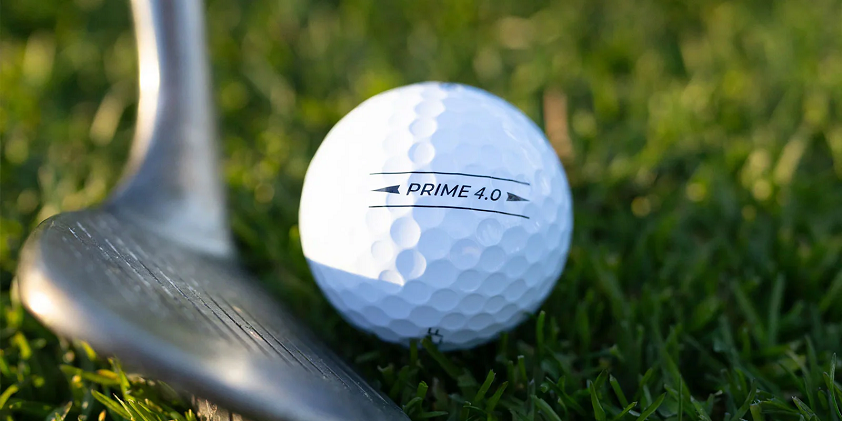
| 160+ Yards | High (90) | Prime 4.0 |
| Beginner / Any | Mid-Low | Get Sum |
Reducing Physical Strain Through Equipment
For the older adult or the sports person recovering from joint sensitivity, compression choice is also a matter of physical wellness. A ball with a compression rating that is too high for the user’s swing speed creates a “harsh” sensation at impact. This shock is transmitted through the shaft to the wrists, elbows, and shoulders. By consulting a compression guide and switching to a softer, more “loadable” core, players can significantly reduce the impact-related fatigue that often sets in during the back nine. This allows for a more comfortable experience and longer-term participation in the sport they love.
The Evolution of the “Soft” Tour Ball
Historically, “soft” balls were synonymous with “cheap” 2-piece construction. However, the modern golf ball niche has evolved. Premium direct-to-consumer brands have successfully integrated tour-level Urethane covers with low-compression cores. This means a player with a moderate swing speed no longer has to choose between a ball that goes far (low compression) and a ball that stops on the green (Urethane). By matching a 2-piece or 3-piece architecture to the correct compression, players receive the best of both worlds: effortless distance off the tee and professional-grade “check” on the greens.
The Business of Performance: Direct-to-Consumer Value
For the modern man who values both performance and ROI, the direct-to-consumer model has revolutionized ball fitting. By removing the traditional retail markup, players can access high-compression, multi-layer tour balls for the same price as mid-range surlyn models found in big-box stores. This transparency allows the sports person to invest in a “test pack” to find their perfect compression match on the course, rather than relying on the biased advice of a retail clerk.
Final Thoughts on Technical Selection
Ultimately, a golf ball is a highly engineered tool designed to react to a specific set of forces. When a player takes the time to study their own data—specifically their swing speed and 7-iron carry—they unlock a new level of consistency. A well-chosen ball behaves predictably, allowing the player to develop a more confident and repeatable swing.
When you are ready to stop guessing and start measuring your potential, Snell Golf provides the data-driven guides and award-winning technology needed to refine your game. By choosing a ball designed by an industry legend and matched specifically to your compression needs, you are taking the definitive step toward professional-grade results and long-term enjoyment of the game.