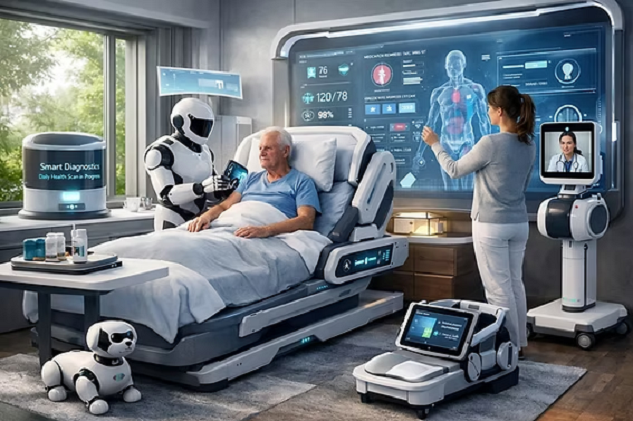
The dream of staying at home while getting older has never been more real than it is today in 2026. For many seniors, the goal is to remain in their own familiar space, surrounded by memories and comfort, rather than moving into a facility. Professional home caregivers are the heroes making this possible, and now they have a new set of tools to help them. Smart home technology has moved past simple voice commands to become a true partner in health and safety, supporting caregivers in offering everything from friendly visits and light companionship to real-time health monitoring and emergency alerts.
A Helping Hand from Invisible Sensors
The way we monitor health has changed from reactive to proactive thanks to tools that watch without being intrusive. Instead of cameras that might make a senior feel like they have no privacy, 2026 uses ambient sensors that track movement and habits. These sensors can tell if someone is walking slower than usual or if they are visiting the bathroom more often, which might signal a health issue.
Sensors That Learn Habits
These smart systems use artificial intelligence to understand what “normal” looks like for each person. If a senior usually makes coffee at 8 AM but hasn’t moved by 9 AM, the system sends a quick alert to the professional caregiver’s tablet. This allows the caregiver to check in immediately, potentially catching a problem before it becomes an emergency. A fun fact is that some smart floor mats can now detect the difference between a dropped book and a human fall by analyzing the vibration patterns in the wood or tile. This kind of tech gives caregivers peace of mind because they know they have a “second pair of eyes” even when they are in another room.
Why a Clean Home Matters for Care
While high-tech tools track heart rates, the actual state of the living room plays a huge role in keeping a senior safe and happy. A clean home is much more than just a place that looks nice; it is a vital part of a medical care plan that helps prevent infections and accidents. Professional home cleaning services are now a core part of the aging-in-place strategy because they tackle the deep-down dirt and clutter that can lead to big problems. These experts focus on high-touch areas like doorknobs and remote controls where germs love to hide, which is very important for seniors with weaker immune systems. They also ensure that floors are free of dust, pet hair, and small items that could cause a dangerous slip or fall. By removing allergens from carpets and air vents, they help seniors breathe easier and sleep better. When the physical environment is handled by professionals, the home caregiver does not have to worry about scrubbing floors or dusting high shelves. Instead, the caregiver can focus entirely on the senior’s health, medication, and emotional well-being. This teamwork between cleaning pros and medical caregivers creates a safe, sterile, and stress-free sanctuary that allows the elderly to thrive in their own space, all while providing effortless ways to keep your home in shape.
Smarter Tools for Daily Living
Caregiving can be physically and mentally tiring, but the gadgets of 2026 are designed to take some of that weight off. From smart pill dispensers to robotic assistants, the focus is on making daily routines smoother and less stressful for everyone involved.
Automated Medication Management
One of the biggest jobs for a professional caregiver is making sure medicine is taken at the right time and in the right dose. New smart dispensers now talk to the caregiver’s phone and only unlock the specific pills needed at that exact hour. If a dose is missed, the caregiver and even the doctor get a notification right away. This prevents dangerous mistakes and allows the caregiver to focus on spending quality time with the senior rather than just managing bottles. Another fun fact is that some smart glasses now allow caregivers to see helpful “overlays” that remind them of a patient’s specific exercise routine or dietary needs just by looking at them.
Strengthening the Human Connection
Technology is finally taking the boring paperwork and heavy lifting off the shoulders of our dedicated professional caregivers. Many people worried that robots would replace humans, but the opposite has happened in 2026. By automating the data tracking and the cleaning, we have given caregivers more time to actually talk, listen, and bond with the people they serve.
More Time for What Matters
When a caregiver doesn’t have to spend an hour writing down vital signs or worrying about a messy kitchen, they can go for a walk with the senior or play a game of cards. In 2026, we see that the best care is a mix of high-tech monitoring and high-touch compassion. These tools are not here to take over; they are here to make sure the caregiver can be the best support system possible. Seniors feel more empowered because they keep their independence, and caregivers feel more confident because they have the best data at their fingertips. It is a win-win situation that is changing the face of aging for the better.