Key Takeaways
- Wireline services have evolved from mechanical tools to advanced electric-line and digital technologies, significantly improving well monitoring and intervention efficiency.
- High-pressure, high-temperature (HPHT) tools allow operators to access deeper and more challenging reservoirs with precision and reliability.
- Digital integration, including intelligent sensors, cloud connectivity, and edge computing, enables real-time data analysis, predictive maintenance, and cost savings.
- Autonomous wireline units reduce human risk, accelerate operations, and lower intervention costs, particularly in remote or hazardous environments.
- Environmental and sustainability considerations are increasingly shaping wireline innovations, with eco-conscious tools supporting ESG goals and responsible resource management.
Introduction
Over the past few decades, wireline services have evolved into a sophisticated backbone of the oil and gas industry, driving efficiency in essential operations such as well logging, perforation, and intervention. These services have undergone substantial transformation, underpinned by major advances in technology, data analytics, and automation. Industry leaders, such as Renegade Wireline Services, have been at the forefront, adapting to an ever-changing landscape while prioritizing safety, accuracy, and operational efficiency.
Early mechanical solutions were rapidly replaced by innovative electric line technologies, setting a new benchmark for well surveillance and intervention. Today, as environmental pressures and market demands intensify, the industry continually seeks new ways to optimize operations, reduce its impact, and enhance reservoir management through smarter wireline applications.
Early Developments in Wireline Technology
In the early stages of wireline services, operators primarily relied on mechanical tools that offered basic well intervention capabilities. The breakthrough came with the introduction of electric line (e-line) technology, which revolutionized how information could be gathered from deep within wells. With the ability to transmit real-time data to the surface, e-line systems provided engineers with timely and precise insight into downhole environments—paving the way for more informed and agile operational decisions.
The transition from periodic, labor-intensive interventions to continuous, instantaneous data flows, enabled by e-line, marked a fundamental leap in operational efficiency. The reliability and immediacy of information transmission fostered a culture of proactive well management, which is now an industry standard.
Advancements in High-Pressure, High-Temperature (HPHT) Tools
Modern oil and gas projects often tap into deeper and more challenging reservoirs, driving the need for robust, high-performance equipment. By 2024, more than 48% of new wireline tools had been engineered to operate under high-pressure, high-temperature (HPHT) conditions—an essential advancement as roughly 37% of new well developments globally were categorized as deepwater or unconventional. These HPHT-rated tools enable precise data acquisition and interventions where conventional systems would falter, making new reserves accessible and extractable.
The growing reliance on HPHT-capable wireline solutions is a direct response to the shifting geographic and technical demands of the oil and gas exploration and production sector. Enhanced sealing, insulation, and electronics durability ensure wireline operations can meet the challenges of today’s most extreme reservoirs.
Integration of Digital Technologies
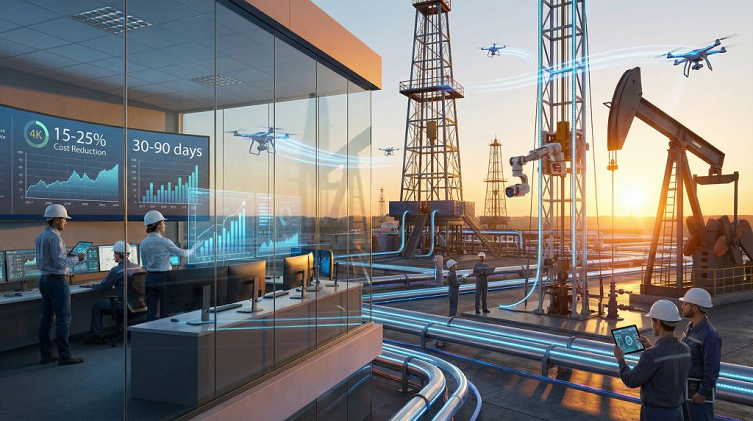
Digital transformation has radically altered the landscape of wireline services. The incorporation of intelligent sensors, cloud-connected systems, and edge computing enables continuous, high-resolution monitoring of downhole environments. This technological integration facilitates not only faster and more reliable data delivery to surface teams, but also enhances analytics and supports predictive maintenance—reducing downtime and boosting well productivity.
As a result, operators can tailor formation evaluations and intervention plans with unprecedented accuracy. The ability to interpret massive volumes of data in real-time is enhancing well diagnostics and producing significant cost savings for producers.
Emergence of Autonomous Wireline Units
The oil and gas sector has embraced automation, incorporating autonomous wireline units that execute complex tasks with minimal human oversight. By 2025, more than 27% of global offshore wells benefited from autonomous electric-line tractors, which contributed to a 17% reduction in intervention costs and substantial safety improvements in hazardous environments. These systems are redefining operational workflows, boosting efficiency, and reducing risk exposure for field crews.
Especially valuable in remote or high-risk operations, autonomous wireline units are accelerating interventions and minimizing non-productive time, thus enhancing the competitiveness of mature and challenging assets.
Environmental Considerations and Sustainability
In response to growing environmental awareness, wireline technology providers are developing eco-conscious and emissions-reducing tools. Innovations such as wireline systems with integrated carbon-monitoring sensors support operators’ efforts to align with ESG (Environmental, Social, and Governance) principles. These efforts are a crucial component of the industry’s ongoing commitment to minimize its environmental footprint, despite persistent global energy demands.
The increasing prevalence of wireline systems engineered for low environmental impact reflects both regulatory trends and evolving customer expectations. Companies are incorporating lifecycle sustainability into their products, promoting more responsible resource extraction and monitoring.
Final Thoughts
The transformation of wireline services is emblematic of the oil and gas sector’s relentless drive toward efficiency, safety, and innovation. From the earliest mechanical tools to today’s advanced digital and autonomous platforms, the evolution of wireline technology underpins the industry’s ability to adapt and thrive in a rapidly changing global landscape. With continued progress in HPHT capabilities, digital integration, and low-impact systems, wireline services will remain a cornerstone of forward-thinking oilfield operations for years to come.