Introduction
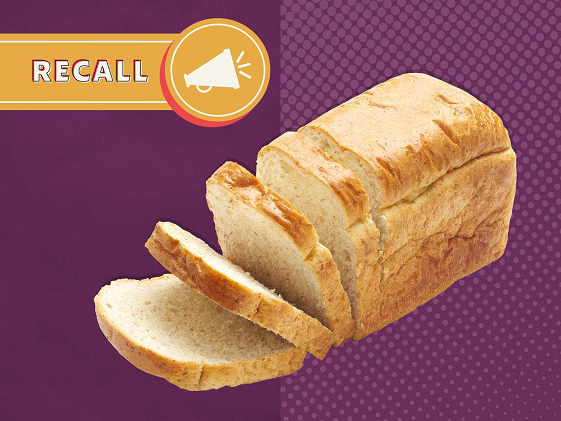
Food safety alerts often raise immediate concern among consumers, especially when everyday essentials such as bread are involved. Recently, upper crust bakery bread in multiple states recalled due to possible glass fragments has become a major topic of discussion across news platforms and consumer safety channels. Bread is a staple food found in nearly every household, and any contamination risk can create widespread alarm.
In this recall notice, it has been stated that certain bread products produced by Upper Crust Bakery may contain foreign material, specifically glass fragments, which could pose serious health risks if consumed. As a result, precautionary steps were taken, and the affected products were voluntarily recalled from store shelves across multiple states.
This article provides a complete, easy-to-understand, and SEO-friendly breakdown of the recall. All key aspects are covered, including the reason behind the recall, potential health hazards, affected regions, consumer actions, refund processes, and long-term food safety lessons. The information has been structured carefully to ensure clarity, accessibility, and trustworthiness.
Understanding the Upper Crust Bakery Recall
The recall was initiated after a potential contamination issue was identified during internal quality checks or through consumer complaints. It was determined that glass fragments could have entered certain bread batches during production or packaging. While not every loaf was affected, the possibility of contamination required immediate action.
When food safety risks are suspected, regulatory authorities and manufacturers are expected to act quickly. In this case, upper crust bakery bread in multiple states recalled due to possible glass fragments was classified as a precautionary measure to protect public health.
Why Food Recalls Matter
Food recalls are issued to:
- Prevent injuries or illnesses
- Remove potentially dangerous products from circulation
- Maintain public trust in food safety systems
- Encourage manufacturers to uphold strict quality standards
Even a small risk, such as possible glass fragments, is treated seriously because the consequences can be severe.
What Are Glass Fragments and How Do They Enter Food Products?
Glass fragments are considered physical contaminants, which are among the most dangerous forms of food contamination. Unlike bacteria or allergens, glass does not break down during cooking or digestion.
Common Causes of Glass Contamination
- Breakage of glass light fixtures in production areas
- Damaged glass containers near processing lines
- Faulty equipment with glass components
- Accidental breakage during packaging or storage
In bakery environments, glass contamination is rare but possible if strict safety protocols are not followed at every stage.
Why the Upper Crust Bakery Bread Recall Was Necessary
The recall was issued because consuming glass fragments, even very small ones, can cause:
- Cuts in the mouth or throat
- Damage to the digestive tract
- Internal bleeding
- Choking hazards
Due to these risks, it was determined that upper crust bakery bread in multiple states recalled due to possible glass fragments should be removed immediately from consumer access.
Even if no injuries were reported at the time of the announcement, proactive recalls are considered best practice in food safety management.
States Potentially Affected by the Recall
The recall impacted multiple states, meaning distribution was not limited to a single local market. Upper Crust Bakery products are often supplied to:
- Grocery stores
- Specialty food markets
- Restaurants
- Institutional buyers
While exact state names may vary depending on distribution channels, consumers across several regions were advised to remain cautious and check purchased products carefully.
Why Multi-State Recalls Are More Concerning
- Wider consumer exposure
- Greater difficulty in tracking products
- Increased public health risk
- Higher recall logistics complexity
Products Commonly Included in the Recall
Although not every product from Upper Crust Bakery was affected, certain bread varieties were identified as potentially at risk.
Typical Product Categories Involved
- Artisan sandwich bread
- Rustic loaves
- Sliced bakery bread
- Wholesale bakery bread
Consumers were advised to check lot numbers, production dates, and packaging information if available.
Table: Summary of Upper Crust Bakery Bread Recall
| Category | Details |
|---|---|
| Recall Reason | Possible glass fragments |
| Product Type | Upper Crust Bakery bread |
| Risk Type | Physical contamination |
| Distribution | Multiple states |
| Consumer Action | Do not consume, return or discard |
| Health Risk | Cuts, choking, internal injury |
| Recall Nature | Precautionary |
| Refund Availability | Typically offered |
Health Risks Associated with Consuming Glass Fragments
The presence of glass in food is considered a Class I hazard in many food safety systems. This means the risk is high enough to cause serious injury.
Possible Health Complications
- Lacerations in the mouth
- Throat injuries
- Damage to the stomach or intestines
- Infection from internal wounds
- Emergency medical situations
Children, elderly individuals, and people with digestive conditions are especially vulnerable.
What Consumers Should Do Immediately
If you have purchased any Upper Crust Bakery bread recently, the following steps are recommended:
Immediate Consumer Actions
- Do not consume the product
- Check packaging and purchase details
- Store the bread safely away from children
- Return it to the place of purchase if possible
- Dispose of it safely if returning is not an option
It has been advised that even if no visible glass is present, consumption should be avoided.
How to Safely Dispose of Recalled Bread
If returning the product is not possible, proper disposal is important.
Safe Disposal Steps
- Place bread in a sealed bag
- Wrap securely to prevent exposure
- Dispose in household waste
- Wash hands thoroughly afterward
This prevents accidental consumption by others.
Refunds, Replacements, and Consumer Rights
In most food recalls, retailers and manufacturers offer:
- Full refunds
- Product replacements
- Store credit
Consumers are usually not required to provide a receipt, especially when public safety is involved.
Why Refunds Are Encouraged
- Promotes consumer compliance
- Builds brand trust
- Ensures recalled products are returned
Role of Food Safety Authorities
Food safety authorities monitor recalls to ensure:
- Proper public communication
- Complete product removal
- Manufacturer accountability
The recall of upper crust bakery bread in multiple states recalled due to possible glass fragments demonstrates how regulatory systems are designed to prioritize consumer safety over profit.
How Food Manufacturers Prevent Glass Contamination
Following a recall, manufacturers often strengthen internal controls.
Preventive Measures Include
- Shatter-resistant lighting
- Regular equipment inspections
- Staff training programs
- Enhanced quality audits
- Improved packaging protocols
Such steps help prevent future incidents and restore consumer confidence.
Impact of the Recall on the Upper Crust Bakery Brand
Recalls can affect brand reputation, even when handled responsibly.
Potential Brand Impacts
- Temporary loss of consumer trust
- Financial costs
- Increased regulatory scrutiny
- Operational changes
However, transparency and swift action often help minimize long-term damage.
Consumer Awareness and Food Safety Education
This recall highlights the importance of consumer awareness. Many people overlook recall notices, increasing the risk of injury.
Tips to Stay Informed
- Follow food safety news
- Register for recall alerts
- Check official food safety websites
- Read product packaging carefully
Being informed reduces risk significantly.
Why This Recall Should Not Be Ignored
Even though bread is considered a low-risk food, physical contaminants change the equation entirely. The recall should be taken seriously, regardless of whether injuries have been reported.
The decision that upper crust bakery bread in multiple states recalled due to possible glass fragments was made to protect consumers before harm occurred.
Long-Term Lessons from the Upper Crust Bakery Recall
Every recall provides valuable lessons for both consumers and producers.
Key Takeaways
- Food safety systems work best when recalls are followed
- Physical contaminants are extremely dangerous
- Consumer cooperation saves lives
- Transparency builds trust
Frequently Asked Questions (FAQ)
1. Why was upper crust bakery bread recalled?
Upper crust bakery bread in multiple states recalled due to possible glass fragments that could pose serious injury risks.
2. Is it safe to eat Upper Crust Bakery bread now?
Only unaffected products are safe. Any recalled bread should not be consumed.
3. What should I do if I already ate the bread?
If symptoms such as pain, bleeding, or discomfort occur, medical attention should be sought immediately.
4. Can glass fragments be seen easily?
Not always. Very small fragments may not be visible, which is why consumption is discouraged.
5. Will I get a refund for recalled bread?
In most cases, refunds or replacements are offered by retailers.
6. How serious is glass contamination in food?
It is considered extremely serious due to the risk of internal injury.
7. Are other Upper Crust Bakery products affected?
Only specific bread batches were involved. Other products may remain safe.
8. How can I stay updated on future recalls?
Consumers should follow official food safety alerts and trusted social media news sources.
Conclusion
The announcement that upper crust bakery bread in multiple states recalled due to possible glass fragments serves as a strong reminder of how critical food safety vigilance is. While recalls can be inconvenient, they exist to prevent injuries and protect public health.
Consumers are encouraged to follow recall instructions carefully, return or discard affected products, and remain alert to future food safety notices. Manufacturers, on the other hand, are reminded of their responsibility to maintain the highest safety standards at every stage of production.
By staying informed and acting responsibly, both consumers and producers can help ensure a safer food system for everyone.