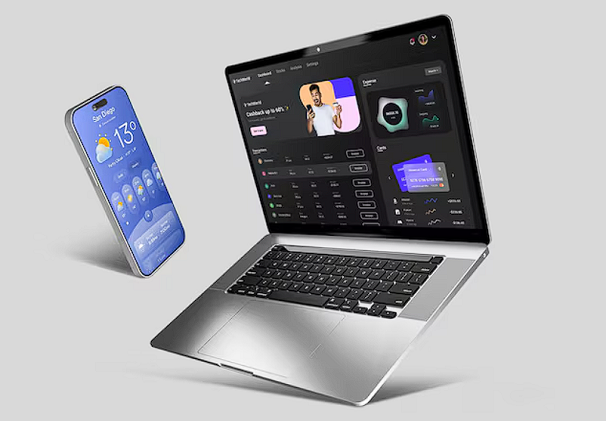
Choosing the right laptop is more important than ever. Laptops are no longer just tools for basic tasks—they are essential for work, study, entertainment, and content creation. With countless models available, it can be challenging to find one that fits your needs, budget, and expectations. This guide provides an in-depth look at top-quality laptops, their specifications, and practical tips to help you make an informed decision in Singapore’s competitive tech market.
A high-quality laptop improves productivity, multitasking, and overall user experience, and many buyers choose to shop laptop at iShopChangi to access reliable options and added convenience. It allows smooth operation for demanding software, supports long working hours without overheating, and delivers durability over time. Investing in the right laptop ensures that your device remains reliable for both professional and personal use.
Understanding Laptop Basics
A laptop is a portable computer that combines essential components like the screen, keyboard, battery, and processor into a compact device. Its portability makes it suitable for working on the go, attending online classes, or enjoying media anywhere.
Key components include the processor (CPU), which manages tasks and operations, and RAM, which temporarily stores data for quick access. Storage options such as SSDs or HDDs determine how quickly data is read and saved. SSDs provide faster performance and durability, while HDDs offer larger capacity at a lower cost. Other essential components include the display screen, keyboard, touchpad, battery, and connectivity ports.
Top Laptop Brands
Some of the most popular laptop brands include Apple, Dell, HP, and Lenovo. Each brand has its strengths: Apple is known for sleek design and seamless integration with software, Dell focuses on business and gaming performance, HP offers a balance of performance and affordability, and Lenovo is recognized for durable business laptops.
Brand reputation plays a significant role in choosing a laptop. Trusted brands generally provide consistent quality, better customer support, and reliable after-sales service. Evaluating a brand’s reputation can help buyers make decisions that reduce future headaches related to maintenance or technical issues.
Key Laptop Specifications to Consider
Processor and RAM
The CPU determines how quickly your laptop executes tasks, while RAM affects multitasking efficiency. A laptop with a strong processor and sufficient RAM can handle demanding applications, making it suitable for work, gaming, or creative projects.
Storage: SSD vs. HDD
SSDs are faster, more durable, and energy-efficient, while HDDs provide larger storage at a lower price. For users who need speed and reliability, an SSD is the better choice, but those who store large amounts of data may prefer HDDs or a combination of both.
Graphics
Integrated or dedicated graphics affect how well a laptop handles visuals, video editing, or gaming. Dedicated graphics cards offer better performance for creative professionals or gamers, while integrated graphics are enough for basic tasks and media consumption.
Screen Size and Resolution
Screen size impacts portability and viewing experience. Larger screens are ideal for design or entertainment, while smaller screens improve mobility. Higher resolution ensures sharper images, making work on spreadsheets, graphics, or media more precise and enjoyable.
Battery Life
Battery life is critical for productivity. A long-lasting battery allows you to work, study, or stream content without constantly worrying about recharging.
Portability
Portability depends on weight, size, and design. Thin and light laptops are easier to carry, making them ideal for students, remote workers, or travelers.
Buying Guide: How to Choose the Right Laptop
Identify Your Needs
Understanding your usage patterns is the first step. Basic tasks like web browsing and document editing require lower specifications, while video editing, gaming, or software development demand higher performance.
Choose the Right Specifications
Ensure that the processor, RAM, storage, and graphics card align with your intended use. Overpaying for unnecessary features can be avoided by matching specifications to your actual needs.
Brand and After-Sales Service
Select a laptop from a reputable brand that offers reliable customer support and warranty services. Efficient after-sales service ensures that any issues can be resolved quickly, adding long-term value to your purchase.
Value for Money
Consider not just the price but the overall performance, durability, and features. A laptop that performs well for several years provides better value than a cheaper model that may fail or slow down quickly.
Maintaining Your Laptop for Longevity
Proper Handling and Care
Handle your laptop carefully, avoid dropping it, and store it in a safe place when not in use. Protecting the device ensures it remains functional for longer.
Regular Updates and Cleaning
Keep your operating system, drivers, and software up to date. Clean the keyboard, screen, and vents to prevent dust buildup, which can affect performance and longevity.
Use Antivirus Software
Installing reliable antivirus software protects your laptop from malware, viruses, and security breaches. This ensures smooth performance and keeps your data safe.

Conclusion
Choosing a top-quality laptop requires careful consideration of specifications, brand reputation, and long-term needs. Whether for work, study, or entertainment, investing in a reliable and high-performing laptop can enhance productivity and user experience. Regular maintenance, careful handling, and staying informed about technology trends help maximize the value of your laptop over time.
FAQs About Laptops
Which laptop brand is most reliable?
Apple, Dell, HP, and Lenovo are among the most reliable brands, known for performance, durability, and customer support.
Should I choose SSD or HDD storage?
SSDs offer faster speed and durability, making them suitable for most users. HDDs provide larger storage at a lower cost.
How long should a good laptop last?
A high-quality laptop can last 3–5 years or more, depending on usage and maintenance.
What is the most important specification to consider?
It depends on your needs, but the processor, RAM, and storage usually have the most impact on performance and multitasking ability.