Key Takeaways
- Proper grease management prevents plumbing blockages and environmental contamination.
- Regular maintenance of grease traps is essential for compliance and efficiency.
- Recycling used cooking oil into biofuel supports sustainability efforts.
Table of Contents
- Understanding Grease Waste
- Importance of Grease Traps
- Regular Maintenance Practices
- Recycling Used Cooking Oil
- Compliance with Regulations
- Choosing the Right Grease Management Service
- Benefits of Effective Grease Management
- Conclusion
Managing grease waste is a critical aspect of running a restaurant or commercial kitchen. Without effective solutions, improper disposal of kitchen fats, oils, and grease (FOG) can lead to significant plumbing issues, pose environmental concerns, and create the risk of regulatory violations and fines. Adopting specialized services, such as https://gfcommodities.com/our-services/yellow-grease-disposal/, enables restaurant owners and facility managers to handle grease waste more efficiently, ensuring a safer, cleaner kitchen environment and helping businesses remain compliant.
Grease buildup in sewer lines poses significant risks, contributing to blockages and costly plumbing repairs and threatening local ecosystems through pollution of waterways and aquatic habitats. Effective grease management is crucial for restaurants to avoid these issues and uphold their professional reputation. Additionally, regulatory scrutiny from health inspectors and municipal authorities is increasing, making compliance with grease-waste management standards essential to avoid penalties or closure. Awareness of best practices and preventive measures, as illustrated by case studies from credible sources such as The New York Times, further underscores the need for food service establishments to implement effective grease waste solutions for operational success and compliance.
Understanding Grease Waste
Grease waste, primarily composed of fats, oils, and grease generated during cooking, is a persistent byproduct in commercial kitchens. If not managed properly, FOG can quickly solidify as it cools, leading to severe blockages in drainage systems. According to municipal agency statistics, cooking grease accounts for a significant share of urban sewer backups, underscoring the widespread and costly nature of this issue for local governments and private businesses alike. Sources such as the Environmental Protection Agency (EPA) offer further insights into best practices for responsibly handling these waste materials.
Importance of Grease Traps
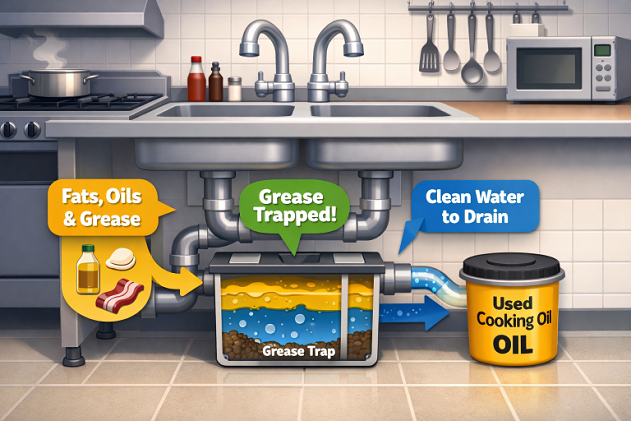
Grease traps are mechanical devices designed to intercept and separate FOG from wastewater before it can enter public treatment systems. When these traps are properly installed and maintained, they act as a critical barrier, preventing most of the harmful buildup that causes sewer blockages and water contamination. However, effective performance relies not just on installation but on consistent upkeep. Lack of maintenance leads to traps overflowing or malfunctioning, potentially resulting in unexpected shutdowns or serious regulatory headaches.
The size, installation, and maintenance schedules for grease traps vary by kitchen volume and municipality. Working closely with professional grease management services helps tailor solutions to your facility’s specific needs, ensuring compliance at every step.
Regular Maintenance Practices
Adopting a regimented approach to grease trap inspection and cleaning is vital for efficient kitchen operations. Best practices include scheduled inspections and thorough cleaning to minimize the risk of grease buildup. Training kitchen staff on proper Fats, Oils, and Grease (FOG) disposal techniques is crucial for reducing the load on traps and preventing improper dumping. Furthermore, maintaining accurate records is necessary to comply with regulatory audits and local municipal requirements. By proactively managing these practices, businesses can avoid the inconveniences of emergency repairs and unexpected fines, ensuring a clean, efficient work environment.
Recycling Used Cooking Oil
Beyond grease traps, commercial kitchens generate significant quantities of used cooking oil that should never be poured down the drain. Increasingly, forward-thinking restaurants partner with specialized recyclers to collect this oil and convert it into biodiesel, a cleaner, renewable fuel. This practice not only diverts waste from landfills and sewer systems but also supports a circular economy that reduces reliance on fossil fuels. Local service providers make it convenient to schedule regular pickups, ensuring your business both benefits from cleaner operations and contributes positively to community sustainability efforts.
Compliance with Regulations
Every commercial kitchen must comply with evolving local, state, and federal standards that govern FOG disposal and waste oil management. Health inspectors regularly audit kitchen practices to ensure compliance with all laws. Non-compliance can result in steep fines, negative publicity, or even the forced closure of a business. It is critical to keep up to date with rule changes and inspection requirements, and to maintain accurate documentation of all grease management activities for quick access during site visits.
Choosing the Right Grease Management Service
Effective grease waste control often depends on the quality of your service provider. Look for companies with substantial industry experience, strong reputations, and a comprehensive range of offerings, including grease trap maintenance and used oil collection. The best providers also focus on environmentally responsible practices and offer guidance to help your business stay compliant and sustainable. Before signing any contract, ask about their licensing, insurance, and the specific protocols they use for disposing of or recycling waste products.
Benefits of Effective Grease Management
Implementing grease waste solutions is crucial for food service establishments, as it prevents costly plumbing issues, ensures compliance with health and environmental regulations, and supports sustainability initiatives such as biofuel production. Additionally, these solutions protect a business’s reputation and maintain operational efficiency, making them a vital investment for safeguarding both daily operations and long-term viability.
Conclusion
Grease waste solutions are foundational to effective restaurant management and commercial kitchen operations. By understanding common FOG challenges, investing in proper traps and regular maintenance, recycling cooking oil, and staying on top of regulatory requirements, businesses protect themselves from fines, avoid expensive repairs, and contribute to a healthier environment. Choosing a reliable service provider is the final step, ensuring that all grease waste management practices are handled expertly and contributing to both the success of the business and the wellbeing of the broader community.