There is a unique kind of magic that happens when the lights dim and the opening credits of a long-awaited film begin to roll. After a long day of navigating the outside world, having a dedicated sanctuary for entertainment is no longer just a luxury; it has become a central part of modern home life. Whether you are a dedicated cinephile, a gaming enthusiast, or someone who lives for Sunday afternoon sports, the media room serves as the ultimate backdrop for relaxation. Designing such a space requires a delicate balance between high-end performance and lived-in comfort. To ensure your technical setup matches your aesthetic vision, many homeowners choose to consult with experts like Pro Audio Services: A Liaison Technology Group Company to bridge the gap between complex hardware and beautiful interior design before finalizing the room’s layout. Making sure the space is stylish and functional allows you to lounge comfortably for hours on end.
Mastering the Media Room Layout
Before picking out a screen, it is essential to analyze the physical constraints and potential of the room you have selected. To create an environment where you can truly lose yourself in the content, you first need to identify a space that offers enough square footage for both equipment and people. A room that is at least 12 feet by 18 feet is generally recommended to seat about six people comfortably. While open-concept areas can work with the right partitions, enclosed spaces are often preferred for those wanting to install complex surround sound systems without audio bleeding into the rest of the house.
The way you arrange your furniture dictates how the room will be used on a daily basis and how immersive the experience will feel. For a room focused on comfort, adding a sprawling sectional is a classic choice that ensures there is plenty of room for every family member to stretch out. In more formal or multi-purpose spaces, you might prefer a light and bright layout where sofas face each other rather than the screen, allowing for conversation when the TV is off. To truly elevate the experience, many homeowners are turning to custom movie theater seating designs that provide the perfect ergonomic support for long marathons of your favorite series or games. By planning the layout around both social interaction and screen visibility, you create a room that serves every need.
20 Creative Concepts for Your Home Theater
Exploring these specific design choices will help you tailor your entertainment zone to your personal taste and lifestyle.
1. Enveloping the Space in Moody Hues
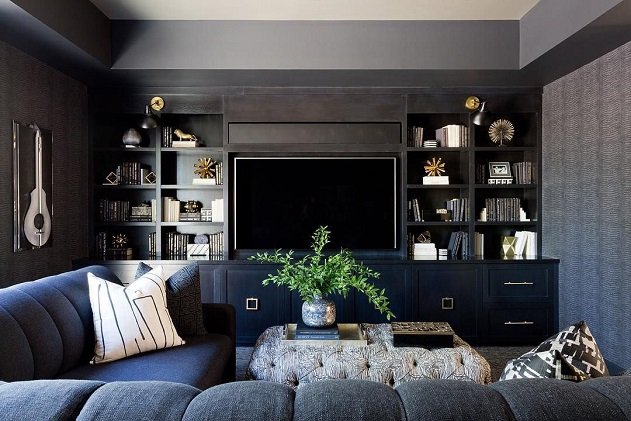
One of the most effective ways to create an immersive environment is to wrap the room in dark, moody colors. Deep charcoal, navy, or black paint can help the walls disappear when the lights go down, making the screen the absolute focal point of the room. This technique also helps with light reflection, ensuring that the colors on your screen remain vivid.
2. Incorporating a Sprawling Sectional
Seating is the heart of the media room experience, and a massive, deep-seated sectional provides the ultimate lounge factor. When you choose a sofa that takes up a significant portion of the room, it signals that the primary goal of the space is comfort and relaxation.
3. Adding Depth With Textured Walls
Bare walls can cause audio to bounce and echo, which ruins the cinematic experience. By using textured wall treatments, such as wood paneling, fabric panels, or grasscloth wallpaper, you can dampen the sound while adding a layer of visual sophistication that feels high-end.
4. Utilizing Earth Tones for a Grounded Feel
If dark colors feel too heavy, consider an earthy palette of greens, tans, and browns. This approach brings a sense of calm and nature into the room, especially when paired with leather seating and woven textures like jute rugs to ground the design.
5. Designing a Versatile Multi-Purpose Room
A media room doesn’t have to be a single-use space; it can adapt to your needs throughout the day. You can incorporate a hidden wall bed behind decorative wallpaper or a small study nook in the corner, allowing the room to function as a guest suite or a home office when the movie is over.
6. Elevating Style With Velvet Fabrics
Velvet is a secret weapon in media room design because its dense fibers are excellent at absorbing sound waves. Whether it is a velvet sofa or heavy velvet drapes, this material adds both acoustic value and an instant sense of luxury.
7. Using Floating Chairs for Flexibility
In open-concept spaces, you might not want a permanent wall of seating blocking the view. Using floating armchairs that can be easily turned or moved toward the screen gives you the flexibility to host a crowd without permanently cluttering the room’s footprint.
8. Infusing the Room With Whimsy
Who says a home theater has to be strictly modern or dark? Consider adding whimsical touches like botanical wallpaper on the ceiling or unique, flower-shaped light fixtures to create a magical atmosphere that makes every movie night feel like a special escape.
9. Maximizing Comfort With Modular Furniture
Modular sectionals are the ultimate choice for those who love flexibility. These pieces can be pushed together to create one giant bed-like contraption for a cozy family night or pulled apart to create individual seats for more formal viewing parties.
10. Customizing Cabinets for a Sleek Look
High-end media rooms often feature custom cabinetry that frames the screen and hides unsightly wires. By adding brass details, open shelving, and integrated under-shelf lighting, your media center becomes a beautiful piece of architectural furniture.
11. Creating Warmth With Neutral Palettes
Chocolatey wood paneling and warm beige tones can make a media room feel incredibly inviting and cozy. These warm neutrals create a homey vibe that encourages you to stay and relax for the entire afternoon without feeling overwhelmed by dark colors.
12. Integrating Rustic and Natural Elements
For a more lived-in feel, look toward rustic elements like vaulted wood ceilings and brick-clad hearths. Pairing these with a screen that displays digital art when not in use helps the technology blend seamlessly into a traditional or farmhouse-style home.
13. Brightening the Space for Social Interaction
While dark rooms are traditional for cinema, a light and bright media room can be equally stunning for day-to-day use. Using light-colored fabrics and white walls makes the space feel larger and more integrated with the rest of the house, which is perfect for entertaining.
14. Organizing Large Groups With U-Shaped Seating
A U-shaped configuration is perfect for maximizing seating in a square-shaped room. It creates a “pit” feel that is incredibly cozy, especially when layered with plenty of throw pillows and plaid blankets to create a theme of comfort.
15. Experimenting With Playful Color Palettes
Don’t be afraid of using vibrant color combinations. A palette of blues and pinks, combined with fun lighting fixtures, can turn a media room into a creative space that children and adults alike will enjoy spending time in.
16. Framing the Screen With Decorative Shelving
Instead of just hanging a TV on a flat wall, try framing it with built-in bookshelves. Adding accent lighting above the shelves draws the eye toward the center and makes the screen feel like an intentional part of the room’s architecture.
17. Offering Diverse Seating Options
Sometimes, one sofa isn’t enough to satisfy everyone’s comfort preferences. Mixing a large L-shaped couch with a few matching armchairs, a bench, or even a window seat provides everyone with their preferred way to watch the show.
18. Maintaining Proper Flow and Walking Room
In an open-concept area, it is vital to keep the walkways clear so the room doesn’t feel cramped. Positioning your seating far enough away from the screen ensures that the flow of the house isn’t interrupted by people trying to navigate through the viewing area.
19. Setting the Vibe With Artistic Lighting
Lighting is the quickest way to set a mood and define a space. Angular wooden ceilings with hidden LED strips, oversized pendant lights, and even a faux fireplace can transform a standard room into a high-end lounge with a sophisticated atmosphere.
20. Adding Warmth Through Wooden Accents
Using rich woods like mahogany or walnut for drawers and shelving adds a layer of warmth to the space. When these wooden elements are paired with deep-colored drapes and leather seating, the room takes on a modern and polished look.
Optimizing Your Audio and Atmosphere
The materials you choose for your furniture and flooring do more than just look good; they significantly impact how the room sounds. Hard surfaces like hardwood floors and bare drywall are the enemies of good audio because they cause waves to bounce around the room, creating an echo. To combat this, you should view your decor as a tool for sound management by using heavy, floor-to-ceiling drapery and plush carpeting. These soft surfaces catch stray sound waves, ensuring that the dialogue is crisp and the music is clear, creating a professional-grade experience within your own home.
Considering the Investment
Building a high-quality media room typically costs between $3,000 and $15,000, which covers everything from professional audio installation to custom furnishings. While a specialized sound setup or custom cabinetry can increase the price, there are many ways to manage costs by focusing on high-impact DIY elements like shelving or affordable upholstery. By prioritizing the technology and comfort levels that matter most to you, it is possible to create a stunning entertainment space that fits within your specific budget while providing years of enjoyment.